The Midday Gap – How to Use It
• Most combo bookings leave a 6–7 hour gap between drives, and most listings simply don’t mention what to do with it
• This window is long enough for a proper breakfast, a few hours of rest, and – if your stay allows – a visit to Jawai Bandh dam or a village walk, both of which sit outside the standard combo itinerary but are easy to arrange locally
• Travellers who treat the gap as dead time tend to arrive at the sunset drive tired; travellers who use it to rest properly tend to get more out of the second session, when concentration and light-reading matter more for photography
Why Guides Change Strategy Between Drives
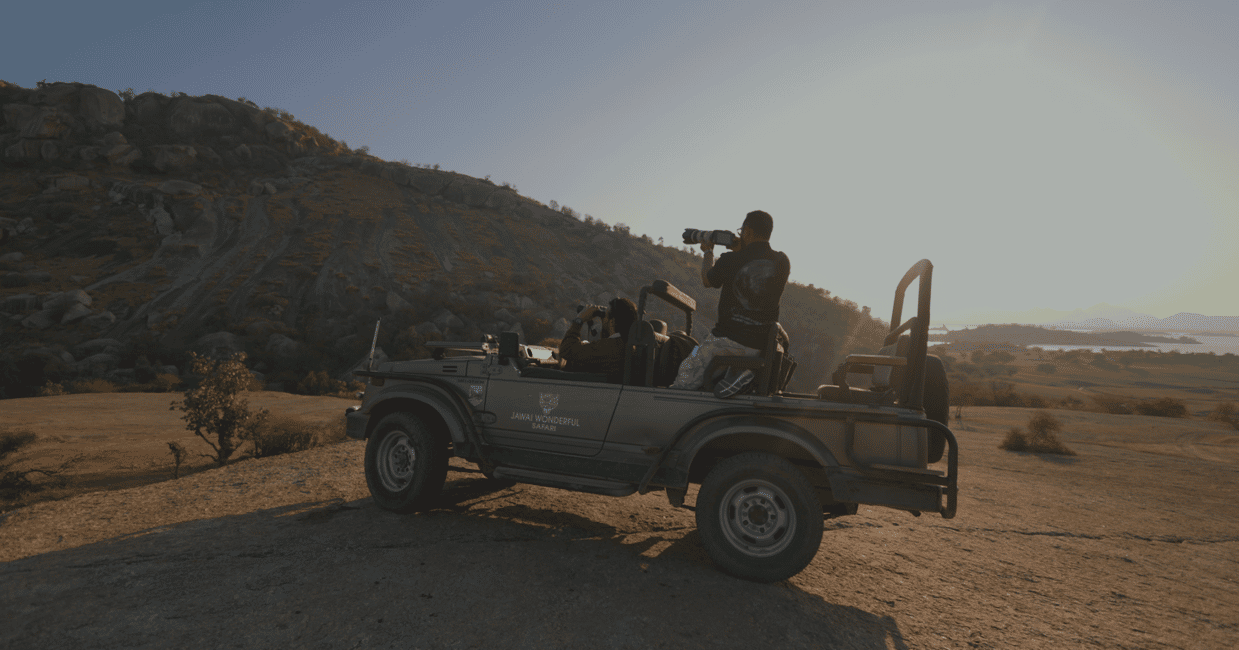
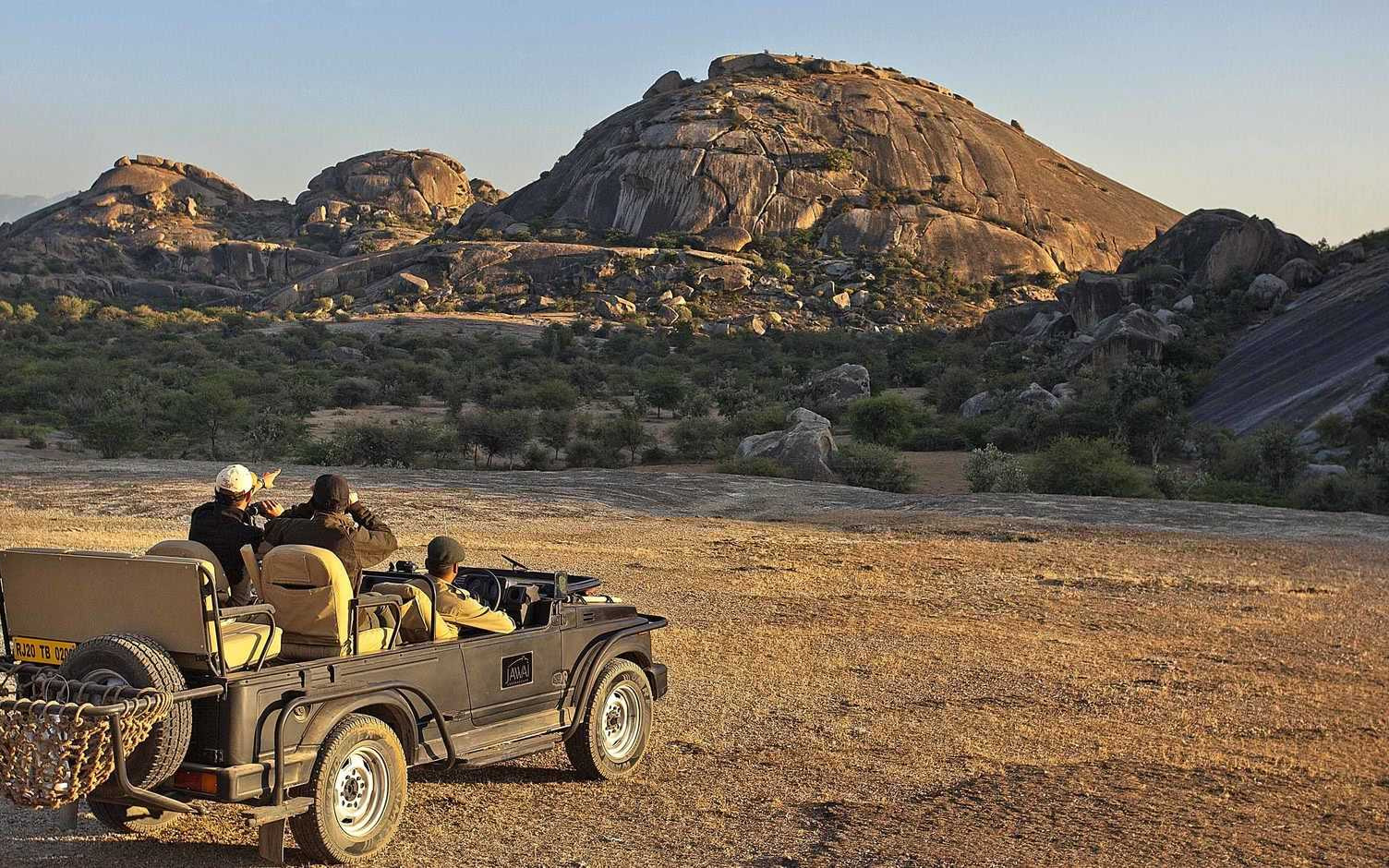
• A guide running both sessions doesn’t repeat the morning’s route in the evening – the search genuinely adapts based on what was and wasn’t seen, and on fresh reports gathered from herdsmen and trackers during the gap
• This is one of the quiet advantages of booking the combo with the same guide for both legs rather than two separate single-safari bookings, which often come with two different drivers who don’t share information
The Cub Visibility Pattern
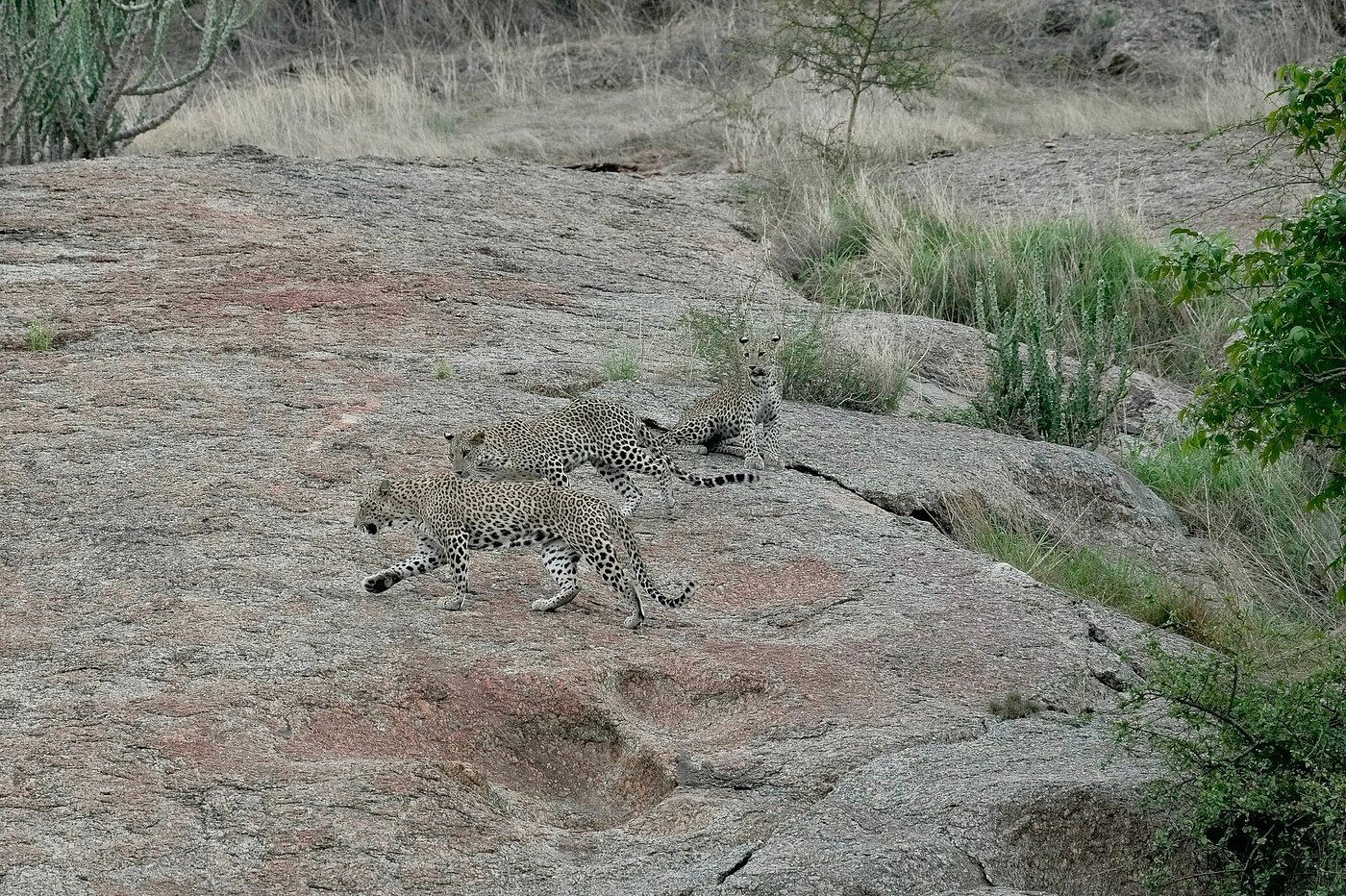
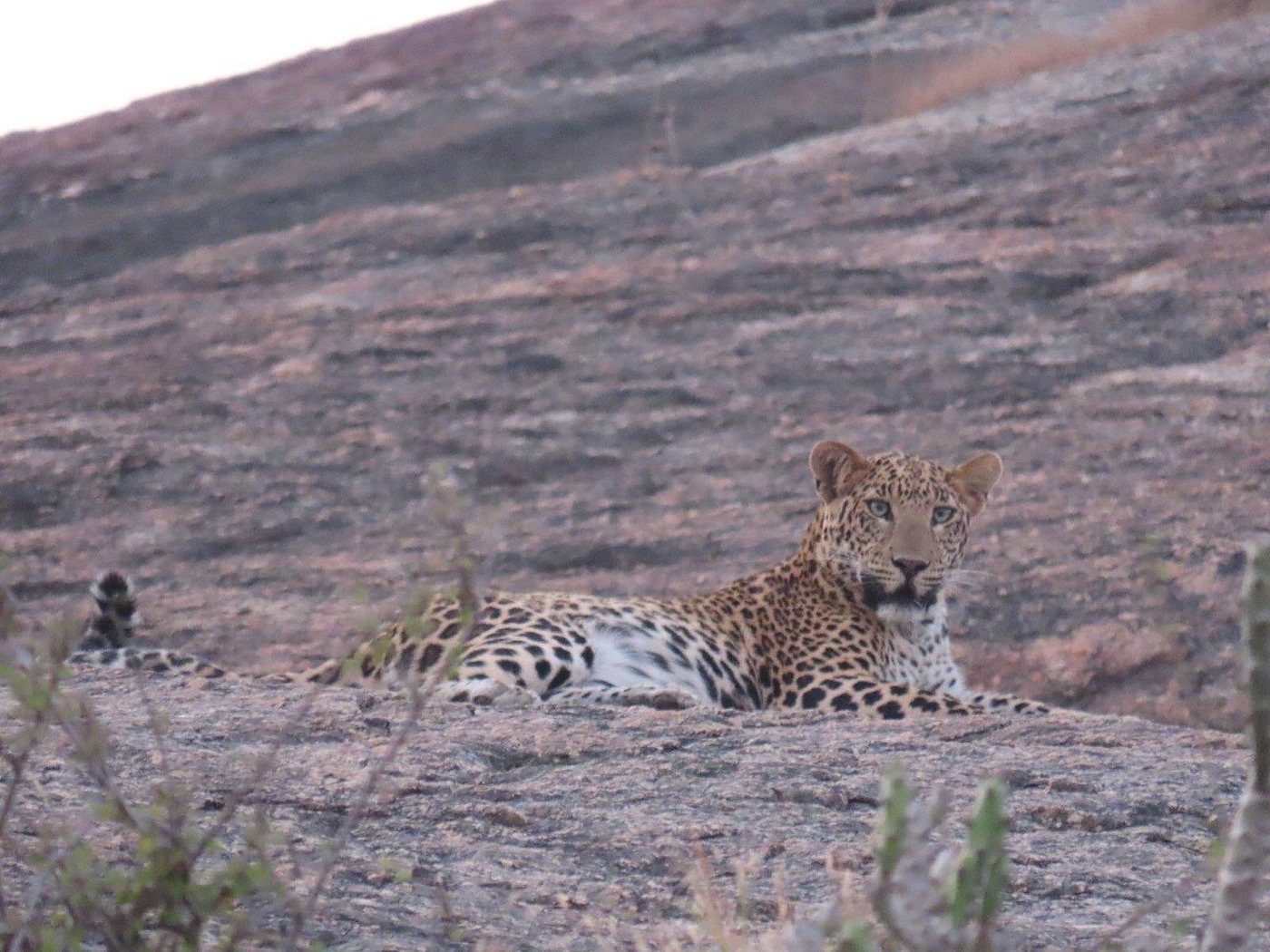
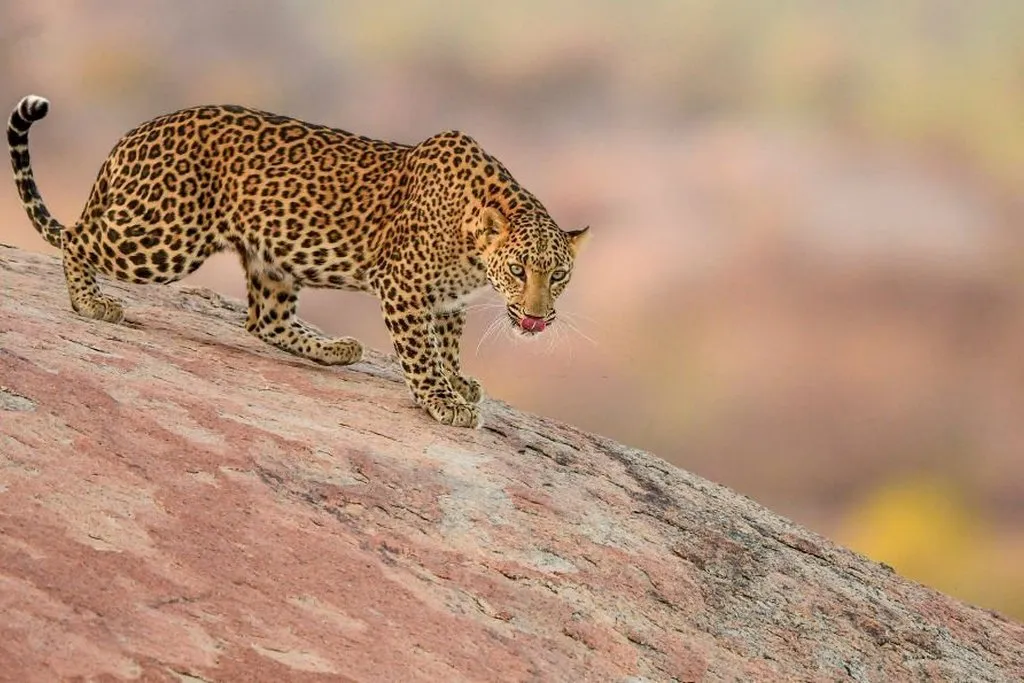
• Leopard cubs are typically kept in concealed den sites during the heat of the day and are more likely to be seen with their mother during the cooler, lower-light hours at the very start or end of a drive
• Sunrise and sunset drives, by definition, run during exactly these hours — which is part of why combo guests report a noticeably higher rate of mother-and-cub sightings compared to single-slot bookings that run further into the brighter midday hours
Why Combo Bookings Get Priority Tracking
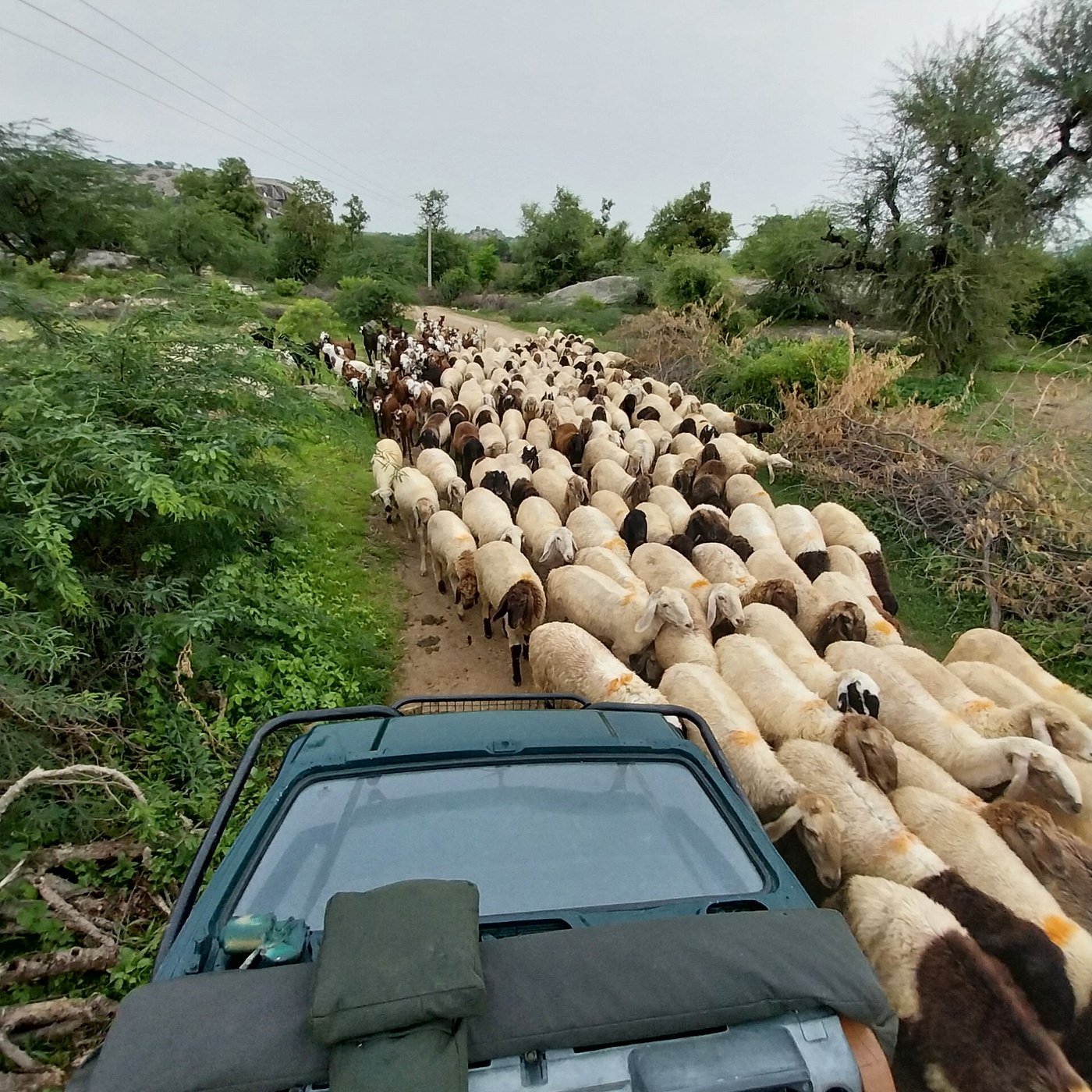
• Local trackers and herdsmen – the informal network most guides rely on for real-time leopard locations – tend to prioritise calls from guides they know are running a full-day combo, since a missed report on one drive can still be acted on for the next
• In practice, this means combo guests often benefit from intelligence gathered specifically because their guide has two chances to use it, not one



 India
India